ICOM IC-A25N Handheld NAV/COM Transceiver w/ Bluetooth – Open Box: Portable Aviation Radio
ICOM IC-A25N Handheld NAV/COM Transceiver w/ Bluetooth – Open Box: Portable Aviation Radio
Blog Article
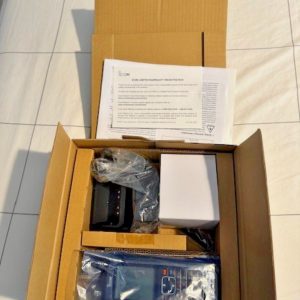
:::writingvariant="document" id="58314" ICOM IC-A25N Handheld NAV/COM Transceiver w/ Bluetooth – Open Box: Advanced Pilot Communication The ICOM IC-A25N Handheld NAV/COM Transceiver w/ Bluetooth – Open Box offers practical cockpit, emergency, training, and ground-use functionality in a compact handheld format. An open-box ICOM transceiver can be attractive to buyers who want dependable features while reducing the cost of purchasing professional aviation equipment. The ICOM IC-A25N Handheld NAV offers a flexible option for private pilots, commercial operators, instructors, aviation students, and support personnel. The ICOM IC-A25N Aviation Radio offers portable flexibility for aircraft owners who do not want to rely exclusively on panel-mounted communication equipment. The ICOM IC-A25N Handheld Radio can be carried conveniently in a flight bag, stored as backup cockpit equipment, used during preflight activities, or assigned to aviation personnel who require portable communication. Choosing a Handheld NAV/COM Aviation Transceiver can support organized flight preparation, backup planning, and portable cockpit communication. Whether pilots need a Handheld Aviation Radio, Aviation NAV/COM Radio, Pilot Handheld Radio, or portable Aircraft Communication Portable Aviation Transceiver Radio, the complete package should be inspected and tested. The product can support pilots seeking a Portable Aviation Transceiver, Aviation Navigation Radio, ICOM Pilot Radio, or dependable Backup Aircraft Radio.
Key Benefits of the ICOM IC-A25N Transceiver
This handheld transceiver offers pilots a convenient way to carry aviation communication equipment independently of the aircraft’s installed radio system. Pilots often select a feature-rich handheld radio because it supports communication needs without requiring permanent installation or aircraft modification. Users should understand that portable-radio coverage can differ from panel-mounted equipment connected to an external aircraft antenna. Pilots should test the radio during routine conditions and become familiar with its operation before expecting to use it during an urgent situation.Using the ICOM IC-A25N Handheld NAV
A handheld NAV radio can be valuable to flight instructors who demonstrate aviation communication and navigation concepts during training. Private pilots may carry the device during cross-country flights, aircraft repositioning, fly-ins, or travel in rented airplanes. Aviation navigation requires situational awareness, planning, current data, and understanding of aircraft and airspace requirements. A complete preflight review can confirm that the radio is charged, configured, accessible, and ready to support the planned operation.ICOM IC-A25N Aviation Radio for Pilots
Aviation professionals can carry the IC-A25N when moving between aircraft instead of depending entirely on equipment installed in one cockpit. Aircraft sales organizations may keep handheld radios available during demonstrations, repositioning, delivery preparation, and customer familiarization. Buyers should consider the radio’s physical condition, battery age, charging equipment, antenna, clips, headset accessories, manuals, packaging, and evidence of proper operation. Testing should occur in a lawful and appropriate manner without creating unauthorized transmissions or interfering with aviation communications.Portable Benefits of the ICOM IC-A25N Handheld Radio
A compact radio can remain in a flight bag alongside headsets, charts, flashlights, batteries, and other essential pilot equipment. Battery contacts, charging ports, headset connections, controls, and the display should remain free from dirt, loose objects, and contamination. Pilots can practice with the radio at home or in a classroom while following the applicable manual and operating guidance. Aircraft cabins and parked vehicles can reach temperatures that may affect batteries, displays, housings, and electronic components.Handheld NAV/COM Aviation Transceiver Applications
The integrated format can reduce the need to carry separate handheld receivers for several common aviation tasks. Commercial value depends on condition, package completeness, included equipment, seller support, and the cost of any missing accessories. Users should keep the operating guide accessible until they can manage essential functions without hesitation. Regular care supports reliable operation, protects resale value, and reduces the risk of missing components.Maintaining a Handheld Aviation Radio
Handheld radios provide communication flexibility where panel equipment is unavailable, temporarily unpowered, difficult to access, or assigned to another aircraft. Pilots should avoid assuming that an unused radio stored for years will operate correctly without battery care and periodic testing. Users may experience improved range when the antenna has a clear position compared with operation deep inside a metal airframe or enclosed structure. Professional radio discipline includes listening carefully, transmitting clearly, using appropriate terminology, and keeping messages relevant.Aviation NAV/COM Radio Functions
An integrated aviation radio can provide a convenient secondary tool during flight planning, cockpit preparation, and selected in-flight operations. Important features should be practiced on the ground before the radio is used during high-workload phases of flight. Pilots should maintain current charts, navigation planning, weather awareness, and suitable avionics for the flight being conducted. Volume and squelch should be adjusted appropriately while avoiding unnecessary distraction.Pilot Handheld Radio for Flight Operations
A portable radio can remain with the pilot when changing aircraft, allowing consistent access to a familiar communication device. The device should remain accessible to the pilot without becoming a loose object or interfering with cockpit controls. A pilot should practice basic operations such as powering on, selecting a frequency, adjusting audio, transmitting appropriately, using memory functions, and checking battery status. Battery condition should be reassessed as the pack ages or shows reduced capacity, charging problems, unusual heat, or physical changes.Aircraft Communication Radio Benefits
An aircraft communication device can support maintenance coordination, ground handling, training activities, and operational monitoring where appropriate. Clear communication depends on more than radio quality because users must understand procedures, frequencies, terminology, timing, and radio discipline. Users should establish realistic expectations by testing the radio in normal conditions rather than assuming identical range to panel equipment. The radio should be protected from impact, vibration, liquid exposure, extreme temperature, and damaged accessories.Using a Portable Aviation Transceiver
The ability to carry the radio personally helps operators maintain access to familiar controls and stored settings. A portable unit is easier to transport than installed avionics, but it also requires careful management of batteries, antennas, chargers, cables, and accessories. Bluetooth operation should be tested in advance because pairing status, battery condition, compatibility, audio routing, and device settings can influence performance. Pilots should avoid troubleshooting complicated pairing issues during high-workload phases of flight.Aviation Communication Device Applications
An Aviation Communication Device should provide clear operation, accessible controls, dependable power, suitable audio, and practical compatibility with the user’s aviation environment. Open-box equipment should be compared carefully with new and used alternatives because condition, warranty, packaging, and completeness may vary. Professional users may maintain records of radio assignment, charging, inspections, damage, accessory inventory, and battery replacement. A well-managed Aviation Communication Device can support efficient and dependable operations across many aviation roles.Handheld Aircraft Radio Benefits
Ground teams may use appropriate handheld equipment during coordinated activities where aviation communication is required and authorized. The radio provides practical value wherever access to aviation communication is useful away from a powered instrument panel. Cockpit use requires secure storage and careful cable management so the radio does not interfere with flight controls, doors, seat adjustment, or emergency movement. The radio should be cleaned only with suitable methods that do not damage the display, housing, seals, labels, or controls.Maintaining an Aviation Navigation Radio
An Aviation Navigation Radio can support pilot situational awareness by providing portable access to compatible navigation-related functions and information. A demonstration or careful manual review can help users understand displays, menus, stored information, and navigation-related controls. Navigation information should be cross-checked with current aviation references and suitable cockpit equipment for the planned operation. Users should remove outdated memories or clearly organize frequencies to reduce confusion during operation.ICOM Pilot Radio Applications
An ICOM handheld can become a standard part of a flight bag for pilots who regularly operate rented, shared, or personally owned aircraft. A complete and well-documented package can be more valuable than a lower-priced unit missing essential equipment. Buyers should compare the offered radio with their headset, Bluetooth devices, aircraft environment, charging resources, and expected operating frequency. Once acquired, the radio should be labeled, documented, configured, charged, tested, and stored in an accessible location.Emergency Aviation Radio Benefits
Emergency value depends on the radio being charged, accessible, configured, and familiar to the pilot before a problem occurs. A written quick-reference guide may help, but it should remain simple enough to use without creating distraction. Bluetooth or wired audio arrangements should be tested before flight and should not be assumed to work automatically during an emergency. Emergency equipment checks can be scheduled with annual inspections, proficiency reviews, seasonal preparation, or flight-bag audits.Maintaining a Backup Aircraft Radio
Backup equipment can be particularly valuable during cross-country operations, aircraft delivery, training, rental flying, or travel in older aircraft. The radio should be included in preflight equipment checks appropriate to the planned operation. The device should be placed where it can be retrieved quickly without interfering with flight controls or becoming a loose object. The handheld radio should support safe aircraft management rather than draw attention away from immediate flight responsibilities.Inspecting an Open-Box ICOM IC-A25N
Buyers should review the radio body for scratches, cracks, missing labels, damaged controls, loose components, or wear around frequently handled areas. Buyers should ask whether the radio was displayed, returned, tested, paired, charged, transmitted with, or previously registered. Navigation and communication menus should respond normally without freezing, unexpected shutdowns, or intermittent controls. A professional purchasing process protects both parties and supports a fair evaluation of the open-box aviation transceiver.Protecting ICOM IC-A25N Reliability
A handheld aviation radio can provide many years of useful service when it is protected from impact, moisture, heat, contamination, and careless storage. Inspection frequency may need to increase when the device is shared, carried daily, used outdoors, exposed to maintenance environments, or stored in an aircraft.- Check for cracks, loose parts, damaged buttons, display concerns, weak battery performance, antenna damage, charging problems, and missing accessories.
- Confirm that paired accessories, headset connections, stored information, display settings, antenna attachment, and power level are suitable for the planned operation.
- Protect the equipment from extreme temperature, direct sunlight, moisture, fuel, oil, cleaning chemicals, heavy tools, and accidental impact.